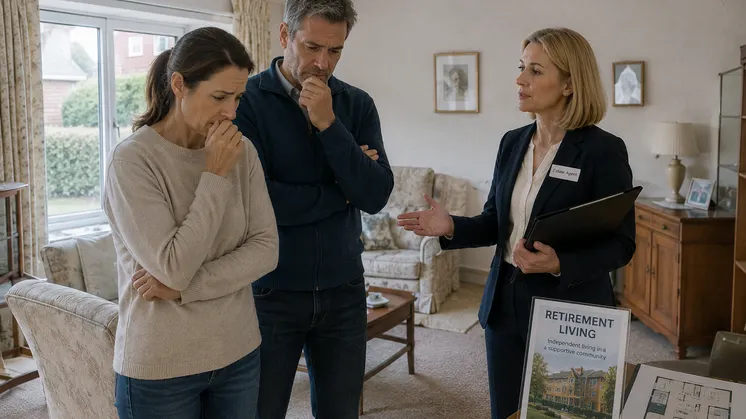
Retirement community property scandals have been hitting the headlines recently. What is being done to protect consumers?
The problem
We are all getting older. One minute we are 20, invincible and fierce. The next we are unable to pick something up off the floor without an embarrassing production of creaks, squeaks, groans and grunts. The hangover from a few drinks can last for days. We can walk into a room and entirely forget why we did so.

Mortality, for want of a better descriptor, sucks. Fortunately most of us continue to enjoy life for many decades in this reduced-but-still-entirely-functional state. Yes we might sometimes forget a person’s name one minute after being introduced but we can drive, work, look after our families and enjoy leisure activities. The reduction in capacity is gradual and manageable. Until one day, for an older relative, it isn’t.
A stove left on overnight, a neglected pet, perhaps even some kind of accident. Incidents that begin – just occasionally – to present a danger to themselves and others.
The solution
Up until the 1970s the only options for concerned UK offspring were to either micro manage their parents’ lives, possibly to the point of moving mum or dad into their (the son/daughter’s) home, or even consider a care home.
Both are highly imperfect solutions. The workload and worry for the younger parties bringing mum or dad to live with them can prove unmanageable, and the parent can sink into depression through feeling as though they are now a burden. On the other hand, moving into a care home is a nuclear option. All independence gone. Sharing a communal living room with people who are often mentally or physically incapacitated, one television and no choice even of what channel to watch. In fact all the small choices people are used to making for themselves, such as what to eat, when to shower and what time to get up are gone.

For a person capable of managing 99% of their life perfectly satisfactorily, independence is everything. It is life itself.
The ‘middle way’ of residential retirement communities began to emerge in the 1970s and become popular in the 1980s. The 2000s brought the first full retirement villages, and the current boom began a decade later. Retirement Community Property residents can come and go as they please. They manage their own lives, but they have help as and when they need it.
Freedom, with a safety net.
The problem with the solution
The retirement community sector in the UK alone is worth around £10.2 billion annually (2025 figures). Around one million Brits live in these retirement communities, and it would be a forgivable assumption that the properties increase in, or at least hold their value. However this does not appear to be the case for a significant percentage of owners.
Investigative journalists are reporting that retirement properties are becoming practically unsellable without massive reductions in the asking price. The reason? Spiralling cost increases.
Retirement property living naturally incurs ongoing expenditure. The elderly are more vulnerable and therefore need more attention, which in turn incurs expense. The problem is that these costs are rising out of all proportion to the expenses. One ECC client reports a 57% increase in just over five years, despite the original salesperson indicating that his mother’s annual cost rises would be minimal, and in the past had usually been less than inflation.

Unreasonably high costs deter potential buyers, necessitating drastic reductions in sale price. The problem generally manifests when the previous owner passes away, bequeathing the property to offspring. Sons and daughters report only being able to sell the property at a huge loss, if they are able to sell it at all. While they wait to snag a buyer they are obliged to continue paying the costs when the property is empty. Many people report costs of around £11,000 a year.
Solutions to the problem with the solution?
“In my experience, if you dig deep enough the reasons for these situations always boil down to corporate greed,” says Greg Wilson, CEO of European Consumer Claims, the British company striving to achieve financial redress for people who lost money because of retirement property mis-selling.

“We have seen it with timeshare companies and holiday parks. They made a huge profit with the initial sale,” continues Wilson. “But then they realised they could aggressively raise the fees every year to increase profits further still. The same avarice appears to be presenting in the UK retirement community sector. The flat owners are legally bound to pay whatever increases the developers ask for, so the developers increase as much as they think they can get away with.
“The answer is usually regulation. Timeshare developers needed to be compelled into behaving fairly (and this is very much a work in progress). There are some limited attempts to ‘self-police’ being made by retirement community developers via the ARCO Consumer Code. The trouble with self regulation is it is open to abuse.
“The less conscientious developers sign up to consumer codes mainly in order to use their affiliation with it to seem credible to their customers. These developers will never let a voluntary code get in the way of that next sale.
“A major step forward was made in May 2025 with CTSI approving the ARCO Code. Members now have easier access to the Property Ombudsman who can arbitrate according to the code. They also have access to an independent complaints process. However neither are legally binding.
“ECC is calling for the ARCO Code to be enshrined in statute. It needs to be legally mandated that developers abide by this undeniably well written code. There should be clear, enforceable legal penalties for those who don’t.
“There is just too much at stake for the elderly and their families to have to rely on a sense of corporate ‘fair play’ for their protection.”
If you believe you have been mis-sold or unfairly treated by a retirement property developer, seek expert advice on your options.